A retail center is a classification of walk-in clinic situated in stores, grocery stores and pharmacies that treat uncomplicated small illnesses and supply preventative healthcare services. They are in some cases called "retail-based clinics," "practical care centers," or "nurse-in-a-box." Retail clinics in the United States are generally staffed by physician assistants (PAs) or nurse practitioners (NPs) and do not always have a doctor physically readily available onsite.
Since December 2015, there are more than 2,000 retail clinics located in 41 states and Washington, DC in the United States. Retail centers are staffed by physician assistants, or nurse professionals and most are open 7 days a week twelve hours a day throughout the workweek and 8 hours a day on the weekend.
It is estimated that the number of retail clinics will increase significantly in the near future, with the overall variety of clinics surpassing 2,800 by 2017. A major motorist of the walk-in clinic development pattern is the focus on expense. As more patients with greater deductibles seek out care alternatives, the minimized cost of retail settings is a feasible choice for regular care.
Amongst the major reasons consumers select to receive care at retail centers are convenient hours, not needing to make an appointment to be seen by a service provider, convenient location, and lower expenses of services. Research has revealed that the quality of the care got at retail clinics is similar to, if not much better than when the very same care is offered in more standard settings such as physician's workplaces and emergency departments.
To date, there are more than 100 of these collaborations throughout the nation and this number is anticipated to grow. Many retail clinics in the United States treat grownups and children over the age of 18 months. Retail clinics deal with typical family illnesses, such as: Some retail centers in the United States offer physical therapy with a professional.
See This Report about What Caused Illness At Uw Health West Clinic?

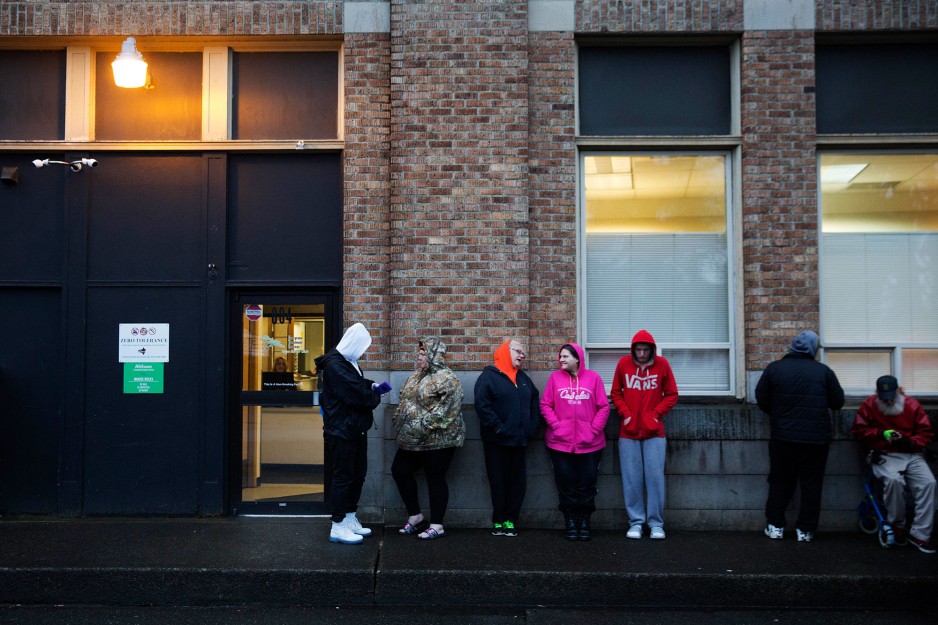
They may serve as sample collection points for blood, urine and feces for lab tests, which are then sent to external labs. By meaning, retail clinics use a more narrow range of services (usually limited to 25 - 30 of the most typical medical diagnoses) than are used in traditional medical care workplaces.
Retail centers in the United States are typically staffed by Doctor Assistants (PAs), Nurse Specialists (NPs) or other advanced practice nurses. Some retail clinics are staffed by Doctor Assistants (PAs). Doctor Assistants are health care specialists certified to practice medicine. Physician Assistants may or might not be needed to collaborate with physicians depending on the legislation in the jurisdiction in which the Doctor Assistant practices.
Nurse Specialists are registered nurses with innovative education and training who offer a specified scope of healthcare services. NPs take part in health promo, client examination, treatment, diagnosis, education, counseling, case management and coordination of care. One study found that patients of sophisticated practice nurses had close outcomes to clients of medical care physicians and doctor assistants.
" Attraction to Walk-in Centers". Medical Professionals Express Urgent Care. Archived from the original on 15 July 2014. Obtained 8 July 2014. The Convenient Care Association About Page Convenient Care Association, "CCC Factsheet." " Variety Of U.S. Retail Health Clinics Will Surpass 2,800 by 2017, Accenture Forecasts - Accenture Newsroom". newsroom.accenture.com.
The Expenses and Quality of Care for 3 Common Diseases at Retail Clinics as Compared to Other Medical Settings, Ann Intern Medication. 2009 Sep 1; 151( 5 ): 321328 Retail Center Partnerships: The Worth Proposition for Healthcare Facilities and Health Systems, September 2015 W. Crounse, Microsoft and Health, "Healthcare goes retail," June 28, 2006. " QuickHealth, "QuickHealth Frequently Asked Question."".
All about How To Create A Resume For Health Clinic Specialist To Apply To Public School
www.ccaclinics.org. " Convenient Care Association, "About Doctor Assistants."". Archived 2006-10-28 at the Wayback Machine E. Sekscenski, et al., "State practice environments and the supply of doctor assistants, nurse practitioners and licensed nurse-midwives," New England Journal of Medicine, 1994. Mundinger, M., "Medical Care Results in Clients Dealt With by Nurse Professionals or Physicians," JAMA, January 2000.
www.ccaclinics.org. " About CCA". www.ccaclinics - what is an independent rural health clinic.org. Healthcare On Aisle 7: The Growing Phenomenon of Retail Clinics [Rand Health, November 2009] Comparing Expenses and Quality of Care at Retail Clinics With That of Other Medical Settings for 3 Common Diseases Records of Internal Medication, September 2009] Retail Clinics, Medical Care Physicians, And Emergency Departments: A Comparison Of Clients' Sees [Health Affairs, September 2008] Healthcare in the Express Lane: Substance Abuse Treatment The Emergence of Retail Clinics (California Health Care Foundation, July 2006) Health Care in the Express Lane: Retail Clinics Go Mainstream (California HealthCare Foundation, September 2007) Healthcare 311 - Searchable database of US retail centers Health care 311 News - Healthcare 311 publisher's blog site on the subjects of retail centers, hassle-free care, health innovations, and more.
The American Academy of Family Physicians (AAFP) believes that patient-centered medical care delivered through medical house is foundational to a health care system that improves the quality and performance of care. The AAFP keeps an eye on market-based advancements in healthcare delivery that are developing to satisfy the broadening requirements of patients for prompt, practical, transparent, and consumer-centric healthcare.
The following are a set of characteristics for Retail Clinics and their sponsoring business to guide prospective collaboration in between main care and these business: Retail centers should use regional neighborhood physician medical directors who are actively engaged with clinic staff on the development and usage of evidence-based care management procedures and quality enhancement - the nurse in mental health clinic understands which foods must be avoided.
Retail clinics must support Alcohol Detox physician-led care. If the client sees a non-physician company (NPP), that NPP should be supervised by a main care physician who is easily offered onsite or essentially. Retail clinics will support the client -physician relationship by constantly referring clients back to their main care physician for continuing care.
The smart Trick of Why Would A Health Care Clinic Or Hospital Need A Health Information Manager? That Nobody is Talking About
Chronic care management and thorough longitudinal care should be provided by a medical care doctor and medical home team and not by a retail center. For patients with a chronic medical condition( s), the patient and their medical care doctor might consider that particular care services might be provided in the retail clinic, when there is a Browse around this site collective agreement with the client's primary care physician which defines the standards, treatments, and protocols to be used to offer such care.
Retail centers must use electronic health records efficient in transferring medical record information and details to the client's primary care doctor (and otherphysicians as appropriate). When a patient does not have an established relationship with a medical care doctor, retail clinics will encourage and assist patients in identifying a main care doctor in the neighborhood.
Retail clinics will establish a particular email address where family doctor can email and request to be included to the list of main care physicians who are accepting brand-new clients- i.e. family physician @ (insert). com. (2006 COD) (2019 COD).
We mothers tend to fret about our kids a fair quantity, and think up methods to assist them, even when they're older. Case in point: I'm itching to inform my college-age kid Chris about my newest helpful-because-I-care concept. It comes from an event in 2015 where Chris had the flu and end up going to the local emergency room because the university center had a two-day wait.